Canada has opened formal comment periods on potentially listing the Mackenzie Valley Highway and Roberts Bank Terminal 2 as projects of national interest under the Building Canada Act. Written comments are due October 1, 2026.
The notices do not approve or list either project. They open a short decision window before the Governor in Council determines whether each project should enter a federal process that shifts the central question from whether a project proceeds to how it proceeds, subject to consultation, regulatory review and binding conditions.
What changed
The August 29 Canada Gazette notices invite submissions on the considerations that should guide the federal listing decision. The statutory factors include national autonomy and security, economic benefits, execution likelihood, Indigenous interests and clean growth.
The projects enter that window from different positions.
The Mackenzie Valley Highway is a proposed approximately 800-kilometre all-season corridor through the Northwest Territories. Portions remain subject to environmental assessment, route development, permitting and funding decisions. Treaty-based assessment and co-management processes are not replaced by the Building Canada Act.
Roberts Bank Terminal 2 is a proposed three-berth container terminal at the Port of Vancouver. It already has an extensive regulatory record, including a federal decision statement containing 370 legally binding conditions, administratively updated on August 10, 2026. Potential listing would therefore affect a project already moving from regulatory review toward procurement and delivery.
The Tuvvik analysis
The important development is not another federal expression of support for major infrastructure. It is the movement of both projects into a statutory decision window that can materially alter federal sequencing, investment certainty and the leverage attached to the record being created now.
Listing grants federal approvals covered by the Act at once, subject to subsequent consultation, regulatory review and a consolidated conditions document. For proponents and capital partners, that may reduce sequencing risk. It does not remove the underlying execution risks associated with Indigenous rights, environmental effects, governance, financing or project-specific obligations.
The public comment period must also be distinguished from Crown consultation with Indigenous rights-holders. A general submission is one input into the listing decision; it is not a substitute for consultation with a Nation whose rights may be affected. Canada states that a project will only be listed after the duty to consult at that stage has been met.
That distinction is particularly important for these projects. Tsawwassen First Nation has said its consent to Roberts Bank Terminal 2 was provided under strict, binding conditions and does not constitute support for the project. The Nation expects existing Treaty, environmental, approval and consultation obligations to be upheld. Along the Mackenzie Valley corridor, Indigenous governments and organizations hold their own authorities, interests and positions within modern treaty and co-management systems.
For decision-makers, the commercially relevant question is therefore not simply whether national-interest designation accelerates a project. It is whether the process produces a durable governance and conditions framework capable of supporting financing, procurement and construction without transferring unresolved issues into the delivery phase.
What leaders may choose to consider
- Distinguish clearly between a position on national-interest listing and a position on the underlying project.
- Identify existing agreements, Treaty provisions, regulatory conditions or consultation commitments that must remain intact.
- Document governance, environmental, cultural and commercial priorities in the appropriate Crown-consultation process.
- Assess whether participant funding and technical capacity are sufficient for both the listing and conditions stages.
- Test whether submissions address the five statutory factors with evidence rather than broad claims of national benefit.
Early clarity on rights, governance, environmental obligations and delivery responsibilities is more likely to improve bankability than designation alone.
What to watch next
The immediate marker is the October 1 close of comments. The next questions are whether either project is added to Schedule 1, how Canada explains its treatment of the public and rights-holder records, and what issues move into the post-listing conditions process.
For the Mackenzie Valley Highway, the environmental assessment, construction funding and modern treaty-based processes remain central to timing. For Roberts Bank Terminal 2, attention should remain on the treatment of existing conditions and consultation commitments as procurement and project planning advance.
Primary Sources
Canada Gazette — Mackenzie Valley Highway and Roberts Bank Terminal 2 notices
Government of Canada — Building Canada Act process
Major Projects Office — August 28 announcement
Government of the Northwest Territories — Mackenzie Valley Highway
Tsawwassen First Nation — response concerning Roberts Bank Terminal 2
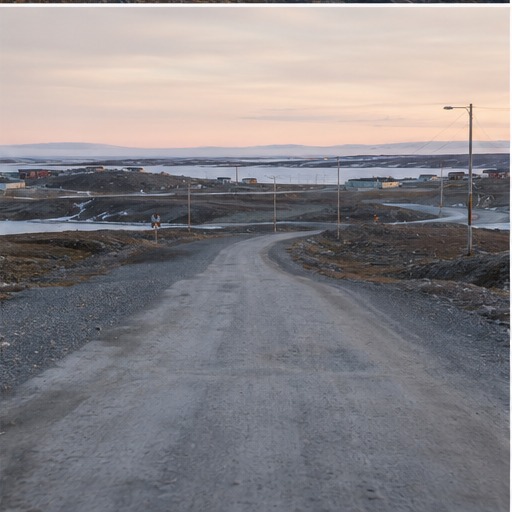
Image: Representative northern road scene; not the proposed Mackenzie Valley Highway.
See what is changing. Understand what matters. Be ready to act.
Tuvvik helps organizations assess emerging project activity, clarify the decisions ahead and build credible pathways from early opportunity to implementation.
Start a Conversation